Greece’s Entry Rules Unchanged, All Travelers Must Present Negative Covid-19 Tests
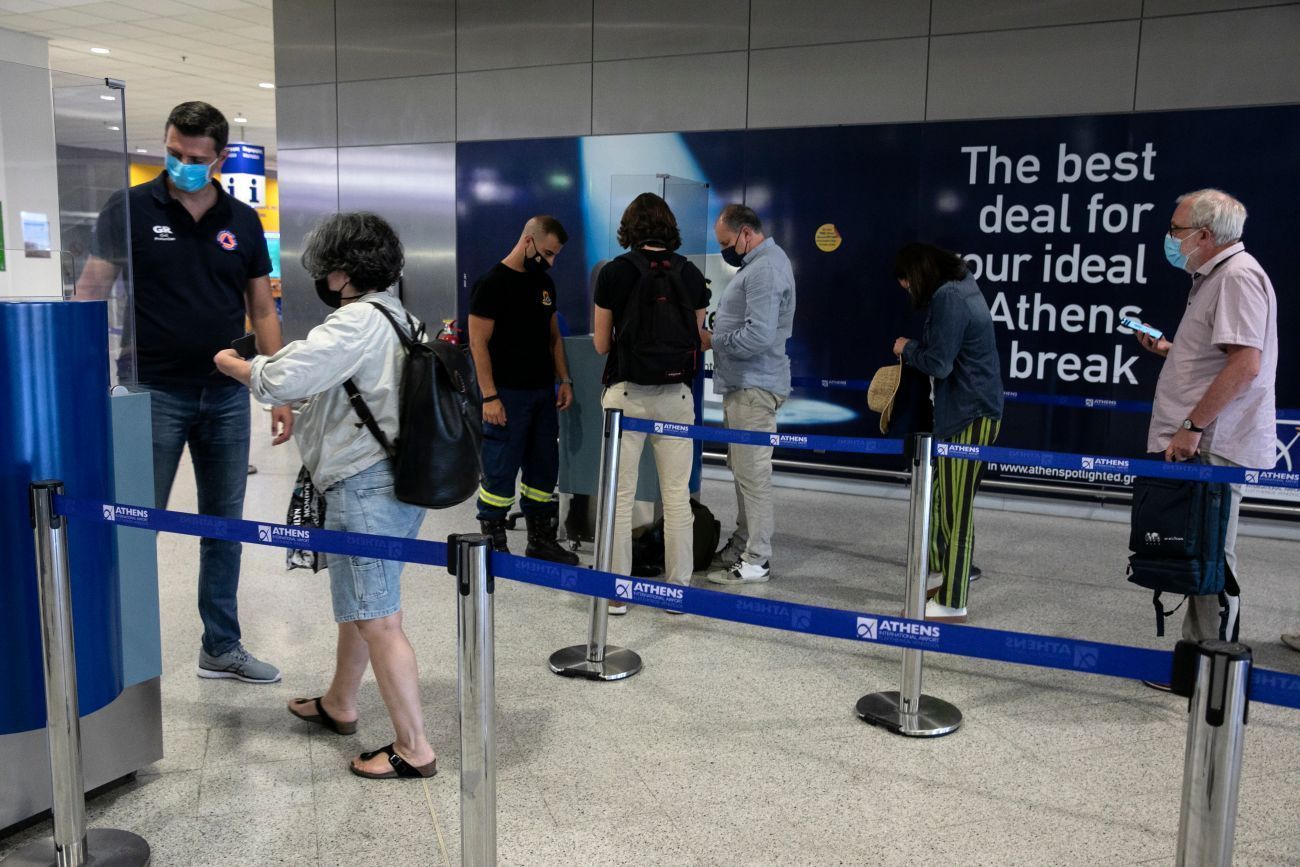
Source: EC – Audiovisual Service / Photographer: Yorgos Karahalis
The Hellenic Civil Aviation Authority (HCAA) on Sunday extended all Covid-19 aviation directives that concern flights and arrivals to Greece from abroad until February 7.
In short, arrivals are allowed from EU and Schengen Zone member states, those traveling for “essential reasons” and residents from 42 non-EU countries and territories.
All inbound travelers (including children over 5 years old), regardless of nationality, Covid vaccination status or proof of recovery, must present a negative PCR or rapid antigen test result taken before entering the country.
PCR tests should be performed within 72 hours before travel and rapid antigen tests should be performed within 24 hours before travel.
Αll travelers to Greece must also submit the mandatory Passenger Locator Form (PLF) any time before the departure of their flight.
The Covid-19 aviation directives issued each week by the HCAA, are part of the Greek government’s efforts to curb the spread of the coronavirus (Covid-19) and the Omicron variant in the country.
Following are the rules in detail.
Travel rules for international arrivals
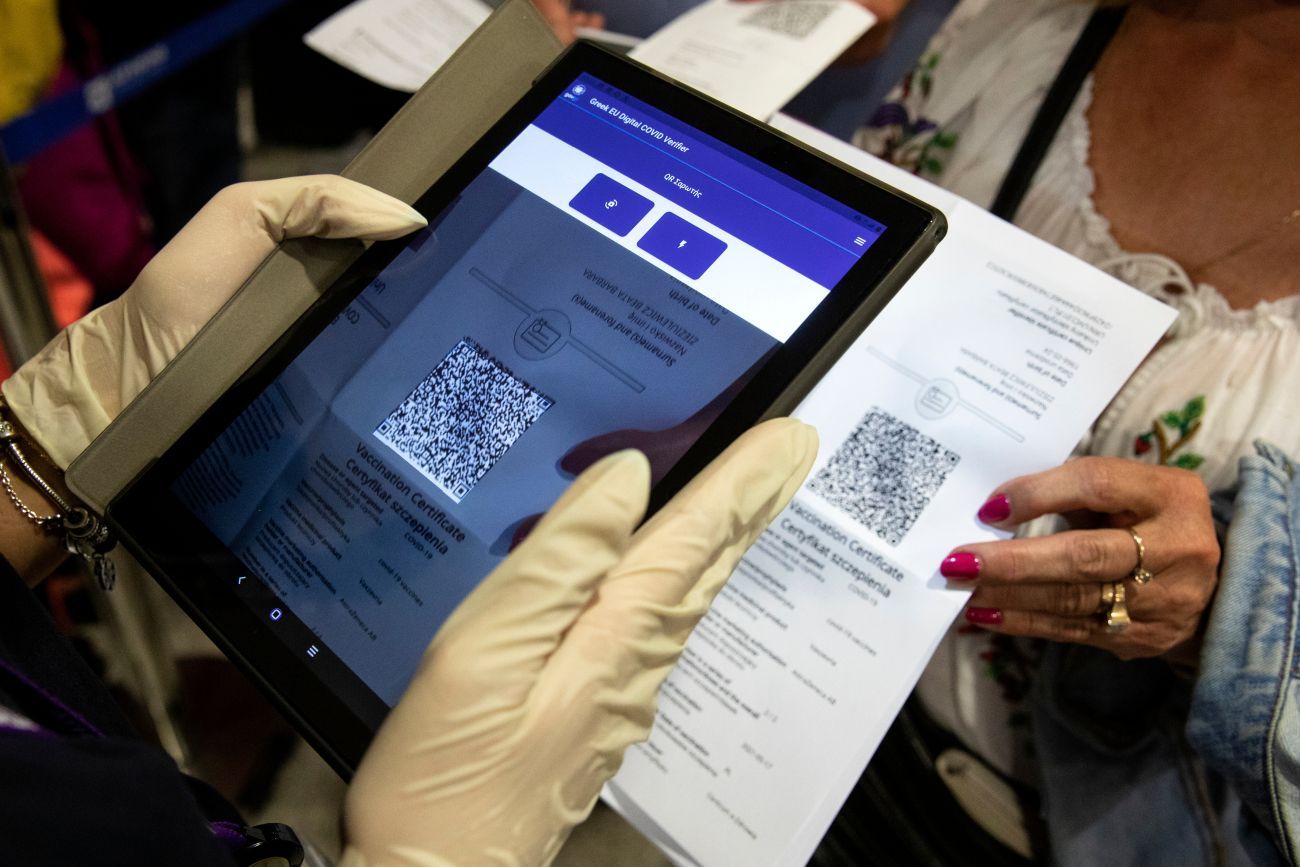
Source: EC – Audiovisual Service / Photographer: Yorgos Karahalis
Who is allowed entry to Greece
Greece is open for travelers from all EU & Schengen Area countries and has a ban on travellers from non-EU countries.
However, people traveling for essential reasons and travelers from the following 42 non-EU countries and territories are allowed to enter Greece – provided they have the required documentation – without the requirement for subsequent self-isolation: Australia, Northern Macedonia, United Arab Emirates, United States of America, United Kingdom, Israel, Canada, Belarus, Bahrain, New Zealand, South Korea, Qatar, China, Kuwait, Ukraine, Russia, Saudi Arabia, Serbia, Singapore, Bosnia and Herzegovina, Montenegro, Albania, Japan, Lebanon, Azerbaijan, Armenia, Jordan, Moldova, Brunei, San Marino, Andorra, the Vatican, Monaco, Turkey, Mexico, Kosovo, Chinese Taipei, Argentina, India, Uruguay, Omman and Chile.
Entry requirements
Greece will allow entrance to travelers that have filled out the Passenger Locator Form (PLF) any time before the departure of their flight. The PLF is mandatory and must be filled out by all travelers, regardless of their nationality. The PLF can be found here.
Passengers from abroad, regardless of nationality, Covid vaccination status or proof of recovery, must also have one of the following:
– a negative PCR test performed within 72 hours before travel or
– a negative rapid antigen test performed within 24 hours before travel.
Negative test results must be issued by an authorized laboratory and in one of the following languages: Greek, English, French, German, Italian, Spanish or Russian. The name on the vaccination certificate must match the name on the passport.
The rule is in force for children aged 5 and over.
Random rapid testing for covid on arrival
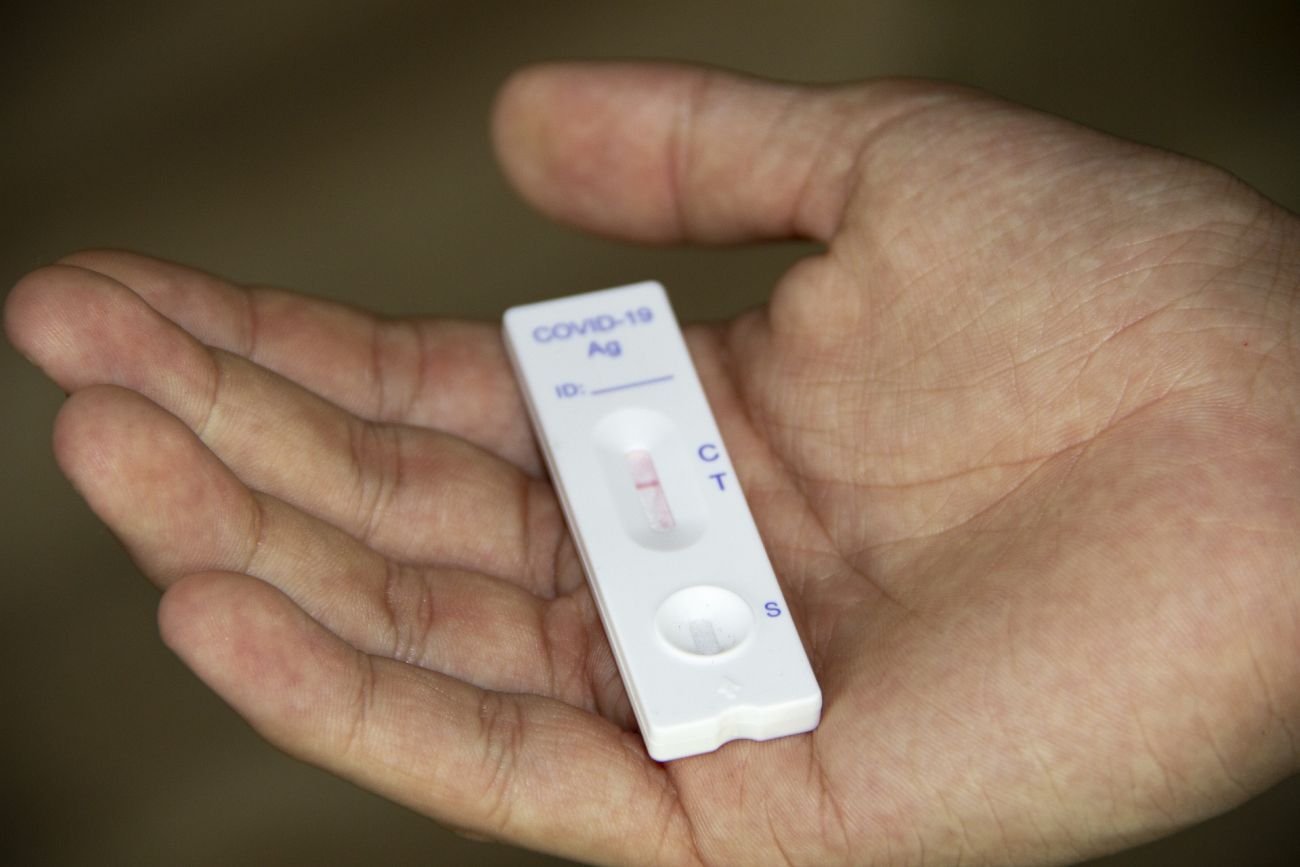
Every traveler who arrives in Greece, regardless of their vaccination/recovery status, may be requested to undergo a random health screening (depending on the data provided on the PLF forms and based on the ‘EVA’ system).
5-day quarantine for those who test positive
If a passenger is selected for a rapid test and is positive for the coronavirus then he/she must quarantine for a total of five days at home or in a temporary facility as indicated by Greek authorities. The isolation period begins the next day, after diagnosed positive for Covid-19.
The mandatory quarantine can end after five days as long as passengers have no symptoms or their symptoms have subsided (no fever for the last 24 hours without the use of antipyretics). Self-isolation is extended in case fever persists and until it subsides. These passengers are required to wear only a high filtering respirator mask (FFP2 or N95) or a double mask (surgical and fabric) for at least another five days after the end of the self-isolation period.
Mandatory rapid testing on arrival for some travelers
Permanent residents of Argentina, Russia, India, Uruguay, Omman, Mexico and Chile must present the required documentation and also take a rapid or PCR test for Covid-19 (regardless if they are vaccinated or not) upon arrival to Greece. The rule is in force for children aged 5 and over. Travelers that test positive for Covid-19 will receive further instructions.
All travelers, regardless of nationality and means of transport to the country, from Egypt, Albania, Argentina, Bulgaria, Brazil, Georgia, Cuba, the United Arab Emirates, India, China, Libya, Morocco, North Macedonia, Pakistan, Russia and Turkey must present the required documentation and take a rapid or PCR test for Covid-19 upon arrival to Greece. The measure is in force for all unvaccinated passengers from the aforementioned countries. Travelers that test positive for Covid-19 will receive further instructions.
Passengers from the aforementioned countries that are exempt from testing upon arrival are those who have:
– a vaccination certificate, stating that 14 days have passed since full vaccination for Covid-19. Vaccination certificates must be issued by a public authority and in one of the following languages: Greek, English, French, German, Italian, Spanish or Russian. The name on the vaccination certificate must match the name on the passport and also include, the type of vaccine administered, the number of doses and the dates they were administered. The rule is in force for children aged 5 and over.
or
– a recovery certificate. Travelers can present a medical/recovery certificate issued thirty days after they first tested positive for Covid-19. The certificate is valid for entry to Greece 90 days after the first positive Covid-19 test result. The certificate must be issued by a public authority or a certified laboratory in one of the following languages: English, French, German, Italian, Spanish or Russian. The rule is in force for children aged 5 and over.
Wearing a mask is mandatory
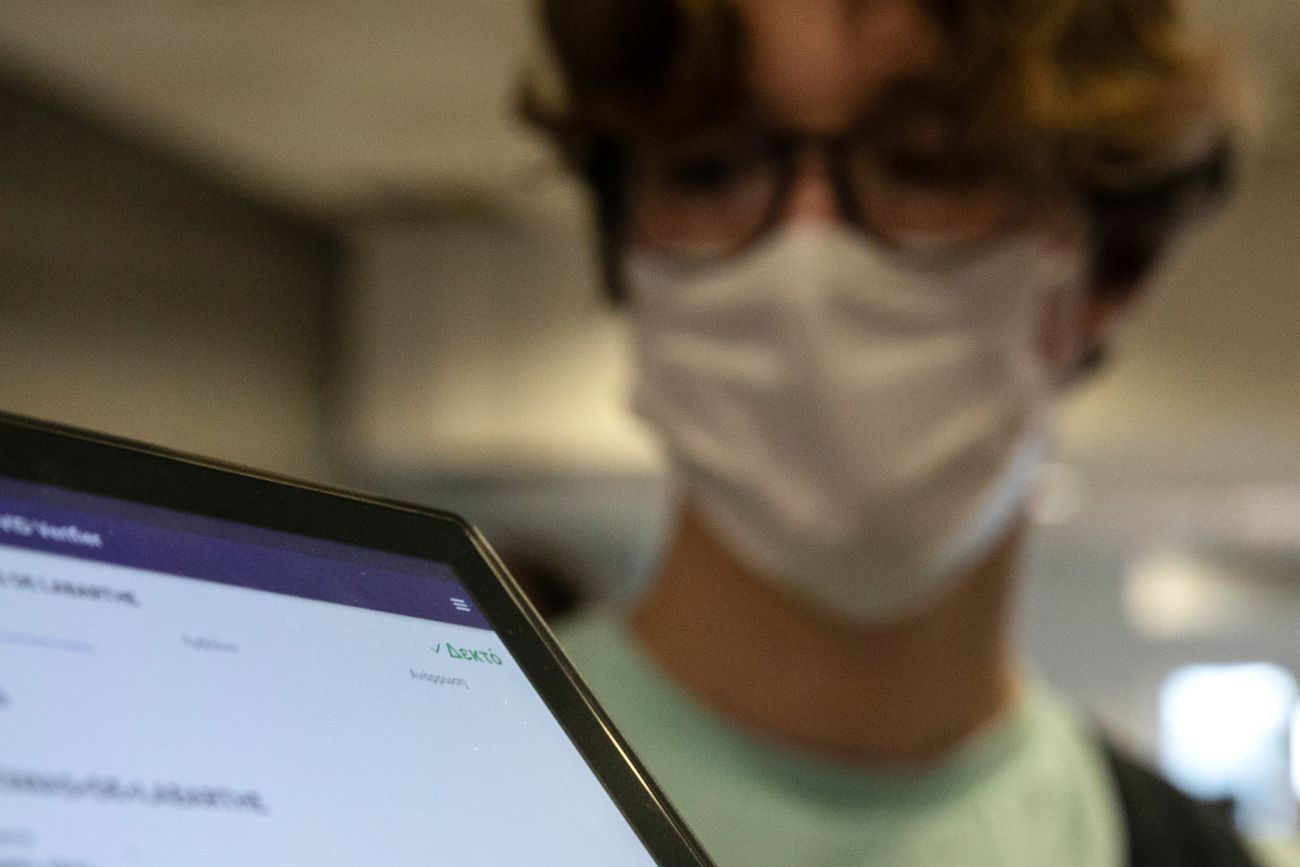
Source: EC – Audiovisual Service / Photographer: Yorgos Karahalis
At the arrival and departure areas inside airports, as well as during all domestic and international flights, staff and passengers are required to wear a face mask at all times.
Passengers are also required to comply with the instructions of the permanent and temporary staff of airports or airlines responsible for supervising, crowd management and passenger assistance, in order to maintain the necessary distances and to ensure safe boarding/disembarkation to avoid overcrowding.
The compulsory travel documents passengers must have with them are checked by airline staff. According to the HCAA, airline staff is obliged to ascertain that travelers have all the necessary documentation before they board flight to Greece. In the case of violation, the airline will have to to repatriate the passenger at its own expense.
The Greek government has detailed information on a dedicated website with the entry rules to Greece. The website includes frequently asked questions.
Travelers are advised to contact their travel agent or airline to confirm the requirements before their trip. Those in need of specific details on the travel rules for passengers of international flights are advised to contact their embassy or the General Secretariat for Civil Protection.
Follow GTP Headlines on Google News to keep up to date with all the latest on tourism and travel in Greece. ΠΗΓΗ GTP