Study: Senior Tourism is a €13.6bn Opportunity for Greece
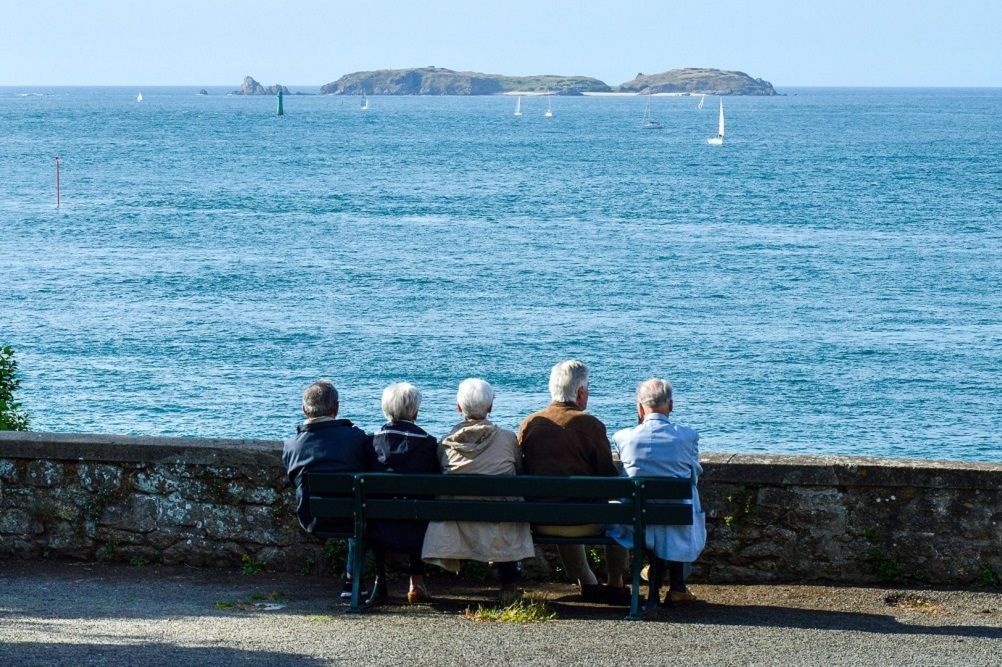
Senior tourism could contribute 13.6 billion euros to Greece’s economy and generate 173,000 jobs in five years, according to a study released by research and policy institute diaNEOsis.
Senior tourism is a sector divided into short-term holidays and “snowbird” travel, a term referring to visitors that stay in a place for long periods by renting or buying a residence.
Data presented by diaNEOsis Senior Research Analyst Fay Makantasi during a recent event, shows that in the coming years, one third of the total expenditure of European tourists will come from people aged 65 and over.
According to diaNEOsis, if Greece set a target to gain a 15 percent share of the second-home market for Northern European pensioners, it would need 400,000 homes in the next 20 years.
With the sale or long-term rent of 20,000 homes per year and new owners spending an average of 6 months a year in Greece, the contribution to the country’s GDP could exceed 5 billion euros per year while some 60,000 new jobs would be created.

Platon Tinios, Associate Professor at the University of Piraeus, said that 7.3 percent of Europeans wish to permanently reside in Southern Europe after retirement and that the country best prepared to welcome senior tourists is Spain.
Spain started investing in senior tourism in the 1950s and as Tinios underlined “it was at the expense of the environment”, which has been degraded.
“Greece entered the game later and has learned from the mistakes of others,” he said.
“Being more exotic than Spain, Greece can invest in senior tourism in order to achieve the inflow of quality tourism,” Tinios added.

The diaNEOsis study was presented during a panel discussion at the recent Kathimerini Health Summit. The discussion was moderated by diaNEOsis Editorial Director Thodoris Georgakopoulos.
Follow GTP Headlines on Google News to keep up to date with all the latest on tourism and travel in Greece. ΠΗΓΗ GTP