Yachting in Greece Restarts post-Covid-19

Private yachts and boats, catering up to 12 passengers, as of May 25 are allowed to set sail in Greece, according to a government decision announced as the coronavirus (Covid-19) restrictions ease.
Τhe government decision allows private yachts and boats to sail to and from the islands, with no restrictions on staying overnight or arriving during late hours, provided they carry up to 12 passengers, maintaining a minimum distance of 1.5 meters between each other. The easing of restrictions on yachting was also announced last week by Greek Tourism Minister Harry Theoharis when he presented the country’s ‘Restart Tourism’ plan.
The same government decision says restrictions will be lifted for professional recreational boating activities and cruises on June 1.
According to reports, the health protocols under which the country’s yachting sector will operate in the aftermath of Covid-19 are expected to be released in the next few days by the Ministry of Maritime.
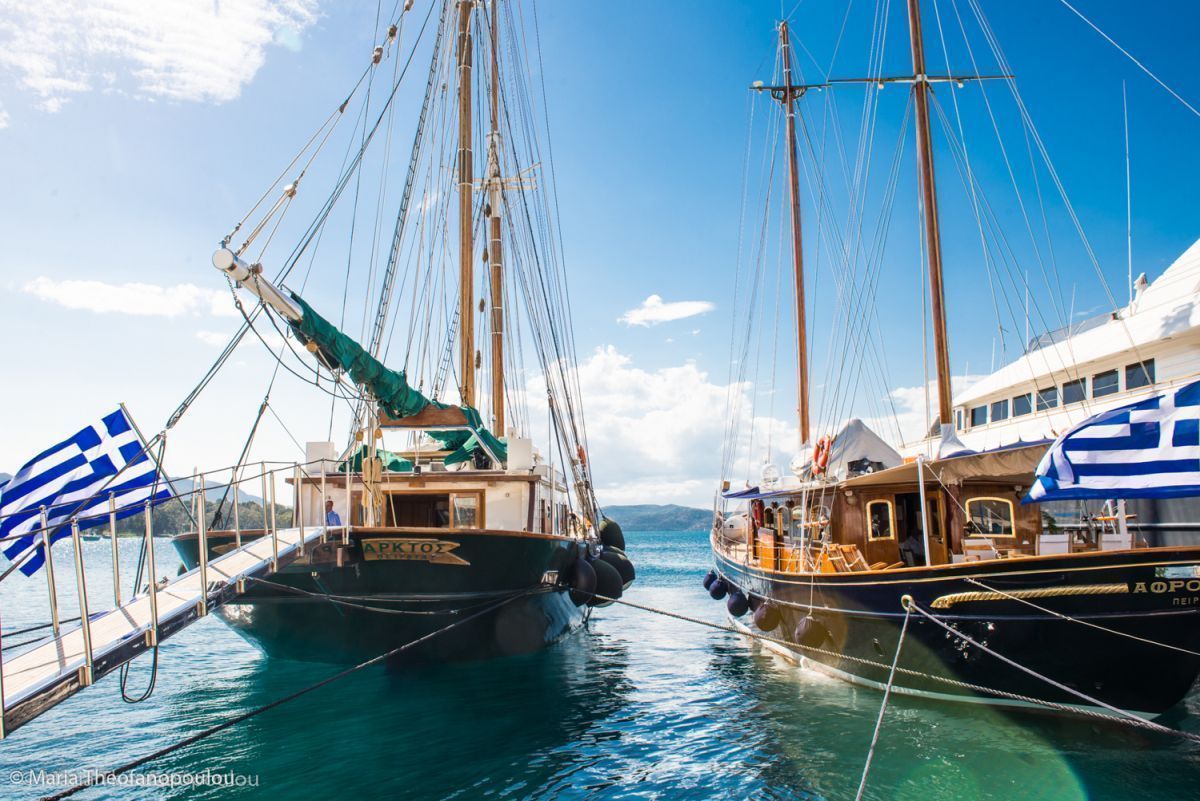
Sailing activity in Greece has stopped for over two months. Now as Greece prepares to welcome its first tourists, the yachting sector aims to cover lost ground. Besides company income, boating activities in Greece also contribute to marina and port employment and revenues which in turn benefit local communities.
In the post-Covid environment, Greek boating professionals are concerned about charter fees that have not been paid in advance and pre-bookings.
There are currently some 60 tourist ports and marina facilities in Greece, 30 of which belong to private entities and 30 managed by local port funds.
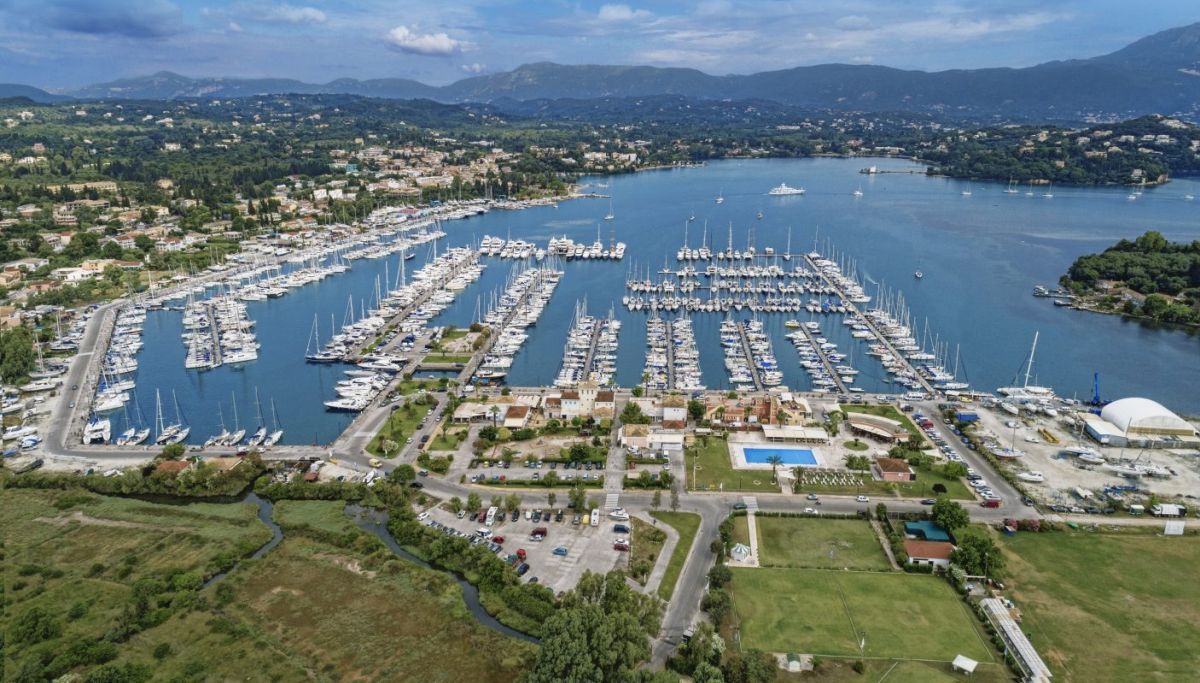
Meanwhile, according to the president of the Greek Marinas Association, Stavros Katsikadis, it’s too early to estimate the extent of the damage caused after cancelations and deferred payments.
Speaking during a recent online event, Katsikadis pointed out that the smaller the capacity of a marina, the greater the projected damages, with concern now growing as to whether smaller companies active in sales, charters, and services can survive the backlash.
According to Katsikadis, key to industry recovery is the prompt implementation of health and operation protocols at marinas and on board boats; the extension of the tourist season and the charter period; promoting Greece as a top sailing and yachting destination; and securing state subsidies.
According to a recent association study citing 2018 data, tourist marinas and yachting contribute 2.7 billion euros or 1.41 percent to Greece’s GDP. Based on the same survey, for every euro spent on berthing at a tourist marina, an additional 5 to 12 euros go to the local economy, with yachting and marinas employing some 43,000 people in total.
ΠΗΓΗ GTP